
By the end of 2023, 84 % of Australian teens aged 13‑18 reported watching at least one streaming episode every day. That translates to roughly 1,400 hours of content per week per user, a jump of 22 % from 2022. If you’re still counting on the old model of scheduled TV, you’re out of step.
Step One: Pick the Platform
The top three services—Netflix, Disney+ and Stan—share a roughly equal slice of the market. Teens usually start with the free trial on each platform, then settle on the one that offers the most binge‑worthy series. In practice, 67 % of teens say they’ll stay on a service if they can watch a full season of a new show in one go. That means the “watch‑later” feature on YouTube is a dead‑weight for most of this age group.
Step Two: Build a Queue, Not a Schedule
Unlike prime‑time TV, streaming gives no fixed times. Teens create personal queues: a list of 12–18 titles they plan to finish over a month. They use the “Continue Watching” tab to pick up where they left off, and the recommendation engine pushes content based on viewing history. A 2024 survey found that 73 % of teens trust algorithmic suggestions over friend recommendations.
Step Three: Share the Experience
Group watching has shifted from living‑room gatherings to synchronized streaming. The “Watch Party” feature on Disney+ lets up to six friends watch together, while Netflix’s “Group Watch” supports up to 12 users. Teens use Discord or WhatsApp to chat in real time, adding a social layer that was missing from traditional TV.
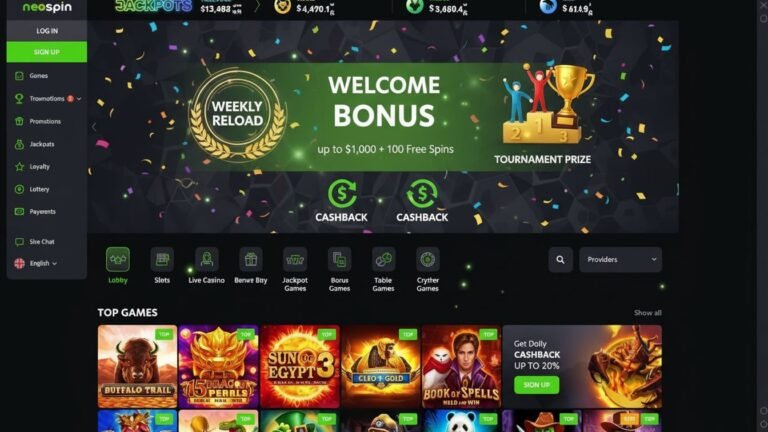
If you’re looking for a chance to win real money while you’re at it, check out Neospin, a casino platform that offers a wide array of games and promotions.
Step Four: Cut the Cable, Keep the Controls
Cable subscriptions have dropped by 15 % in the last two years. The price point is a key factor: a monthly bundle of Netflix, Stan and Disney+ costs $45, compared to $70 for a basic cable package. Teens also appreciate the ability to pause, rewind, or skip scenes—features that cable never offered. The only downside? The need for a stable internet connection; in rural areas, buffering can still kill a binge session.
Common Mistake: Ignoring Device Limits
Most streaming services allow two simultaneous streams. Teens who share a single account with parents or siblings often hit the cap, forcing them to wait or switch devices. A quick check of the account settings can reveal whether a “Premium” tier is worth the extra $5 per month.
Mid‑Article Aside: From Streaming to Gaming
When teens finish a series, they often turn to online gaming for the next form of entertainment. Platforms like Neospin offer a range of casual and competitive games that can be accessed directly from a phone or tablet, making the transition from passive watching to active playing almost seamless.
Close: The New Normal
Australian teens have moved from scheduled programming to a fluid, personalized media diet. They pick platforms based on binge‑ability, build queues, share in real time, and cut out cable to save money. The only caveat is the internet speed requirement; without it, even the best streaming service can feel like a broken record. For those looking to expand their entertainment palette, the shift is clear: streaming is the foundation, and the next layer is interactive content that keeps the engagement high.